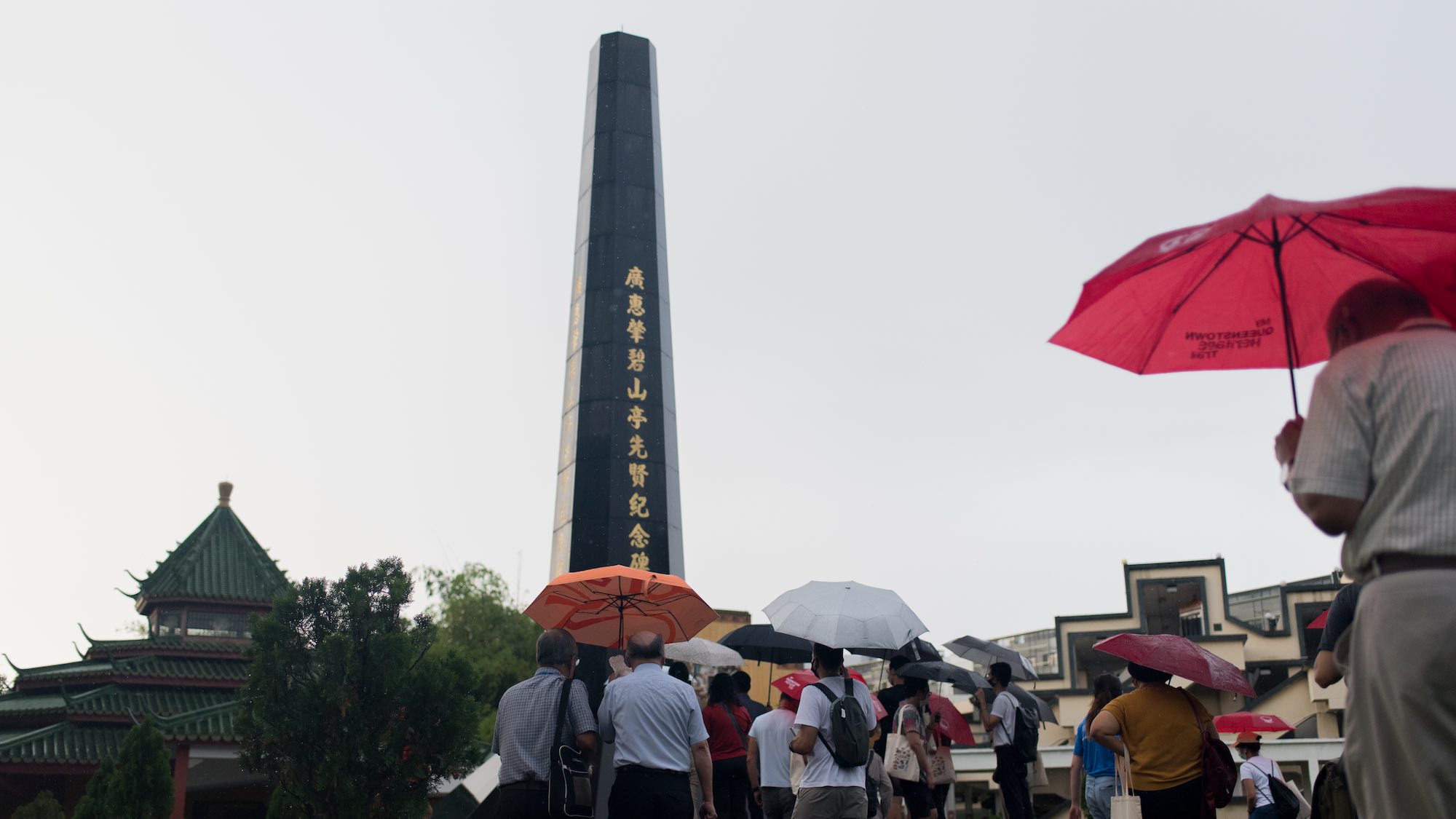
Once a vast cemetery, this beautiful columbarium stands as a testament to the enduring legacy of the Cantonese and Hakka immigrants and serves as our link to the past, where ancestral worship and age-old customs continue to flourish. Join Wai Seng on a tour of this gorgeous landmark where tradition, remembrance and community come together in a celebration of life and heritage.
Did you know that the modern Bishan estate was built on a sprawling Cantonese cemetery?
Join us on this tour and discover how Singapore’s Chinese population managed the transition from burial practices to cremation, and how architecture and rites morphed to fit this new reality.
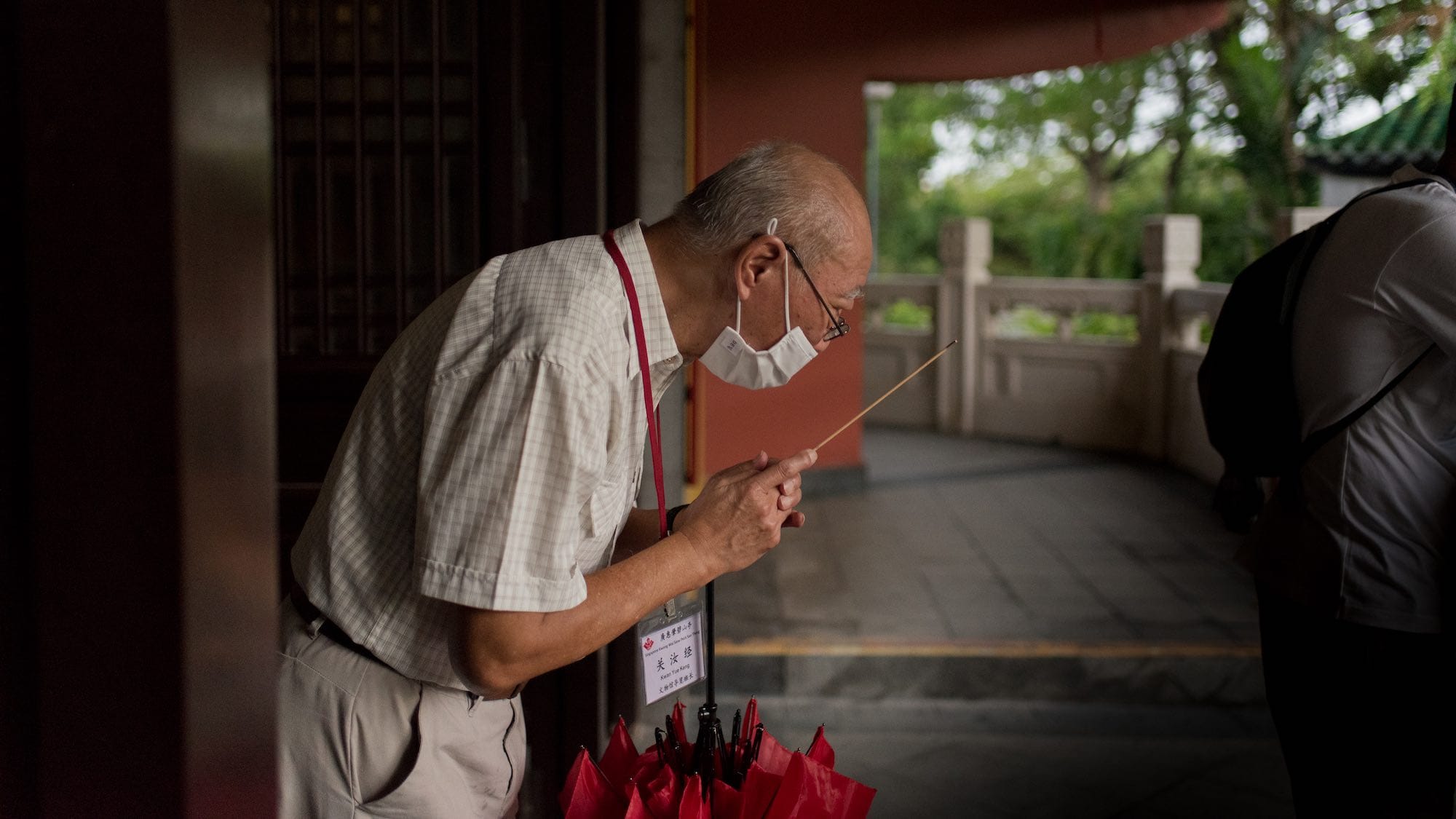
Dr Yee Wai Seng, Peck San Theng’s (PST) Vice Heritage Director, has a lifelong fascination with Chinese history. This passion, ignited in his youth, led him on a journey – from Pahang to Jilin and finally to National University of Singapore – all in pursuit of deeper knowledge.
Today, he shares his expertise as a lecturer at the Singapore University of Social Sciences (SUSS). But Yee’s dedication extends far beyond the classroom. For the past five years, he has tirelessly volunteered his time after work at PST. Here, he meticulously researches, sorts, and restores the museum’s precious collection of artefacts. Dr Yee treats these historical treasures with the utmost care, akin to prized possessions. His dedication even extends to venturing into rubbish dumps, rescuing unwanted artefacts that hold the potential to enrich PST’s collection.
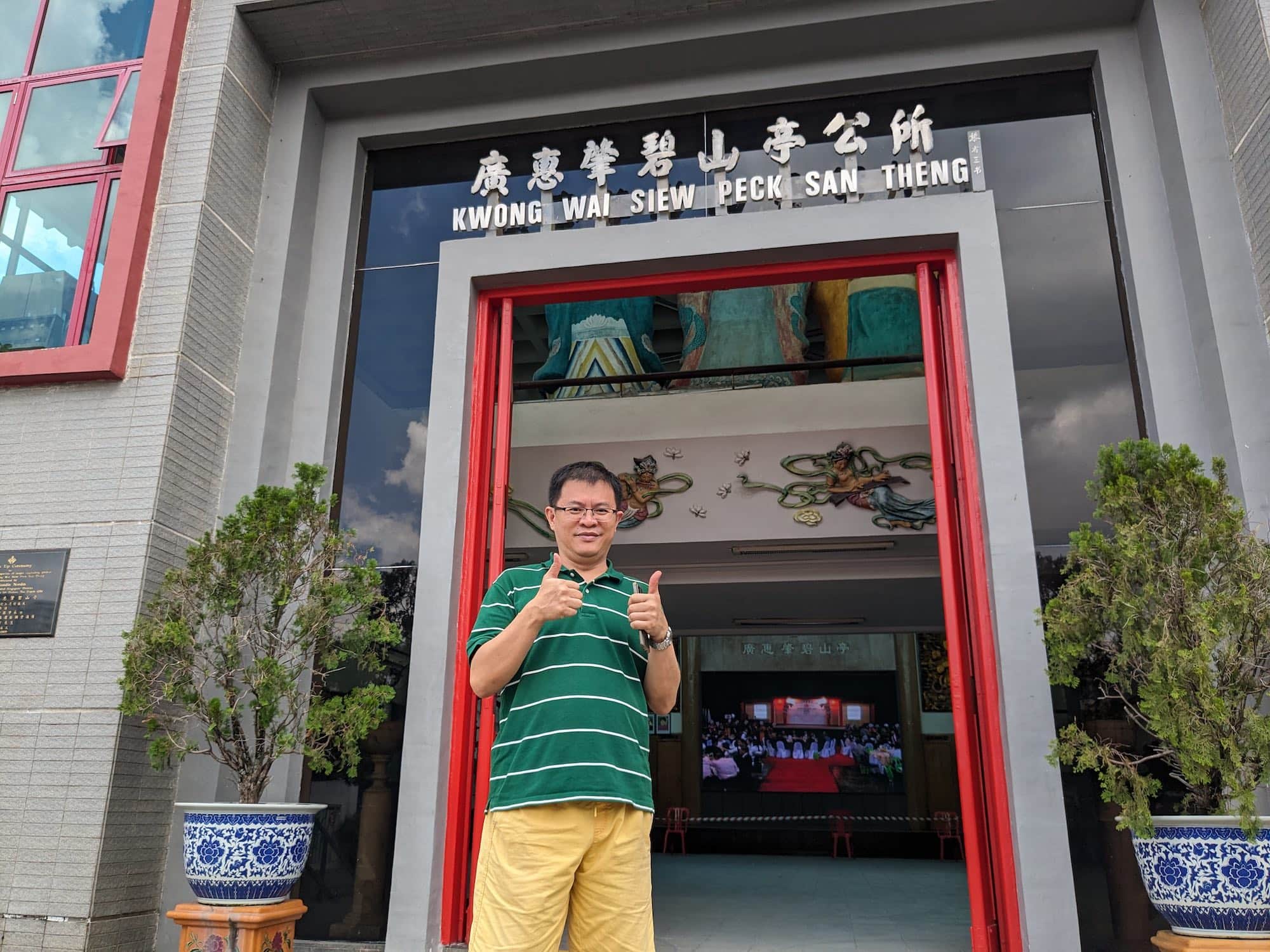
The current Peck San Theng complex was built in the 1980s on land leased by the government, and rehouses the old Guanyin and Tua Pek Kong Temples of the old village, as well as a main administrative building that functioned similarly to the old village hall. The old Peck San Theng Cemetery was built in 1870 and supported the community of Kampong San Theng.
In 1973, government directives to close the cemetery and stop burials were passed down. The graves were exhumed, cremated, and stored in the newly constructed columbarium, designed in a strikingly modernist fashion by architect Tay Kheng Soon, who also designed Golden Mile Complex. A heritage gallery which documents the experiences of the old kampong was inaugurated in 2018.
Saturday, 2 November 2024
Saturday, 16 November 2024
(excluding Eventbrite service fee)
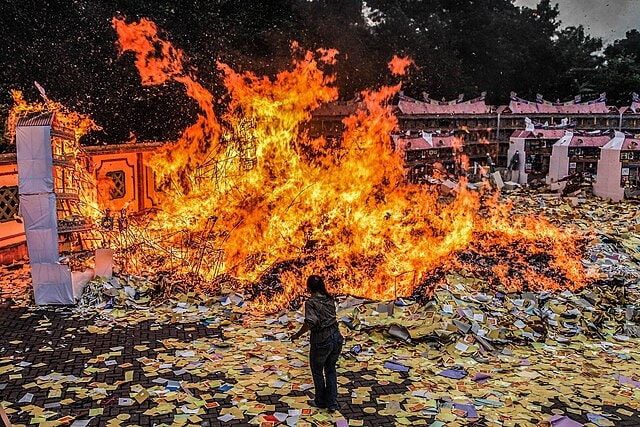
In Taoist and Buddhist customs, joss paper is burned to provide for deceased loved ones in the afterlife. Don’t miss this chance to join our Joss Paper House Builder Ho Kwang Han as he shows you how his elaborate creations – multi-storey mansions and luxurious cars – are carefully burnt and “delivered” to their dear recipients!
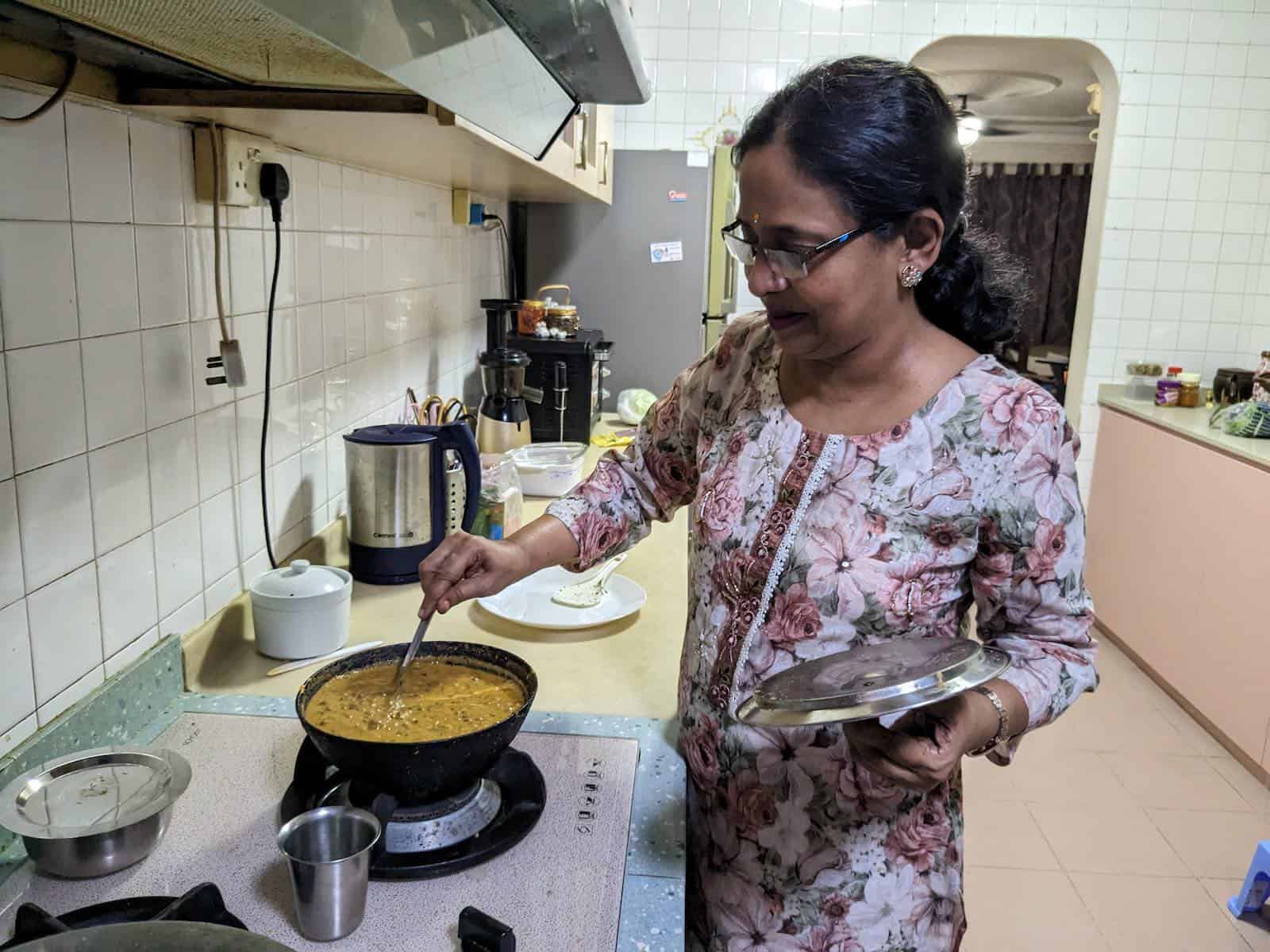
Drawing from her roots in Bengaluru, renowned for its delectable idli and dosa, Radhika’s menu is a heartfelt homage to her late father. You can look forward to a delicious spread featuring pudina rice, crispy vada, a variety of palya (vegetable dishes), and her signature kesari bat—a rich semolina pudding infused with ghee and sugar.
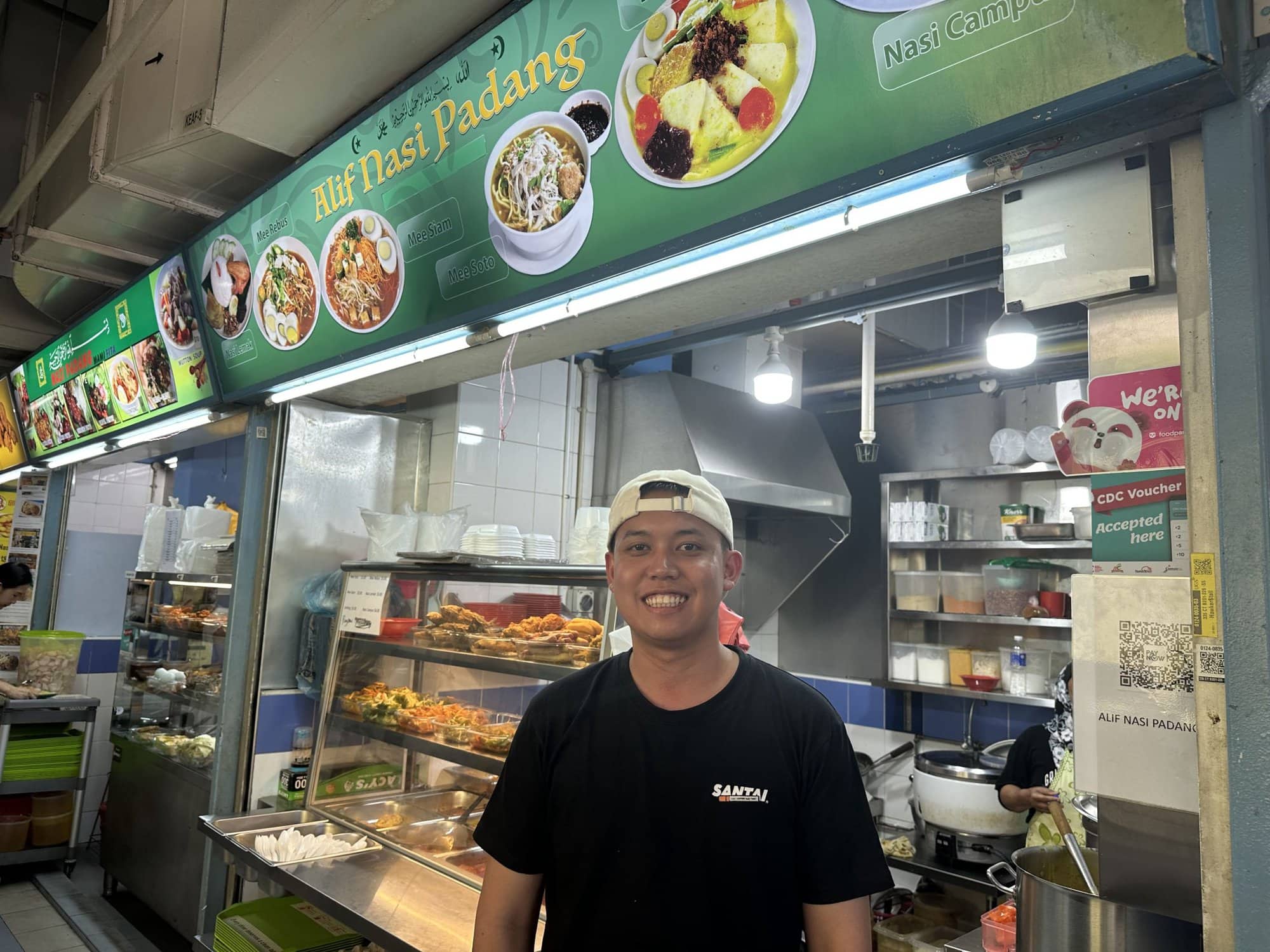
What is it like to sell Nasi Padang, a traditionally Malay dish, in the heart of Chinatown? Meet Tomy, the second-generation owner of Alif Nasi Padang – originally founded by his mother, who still heads their outlet at Aljunied! Discover how this young hawker carves out his own niche in this storied hawker centre, and what delectable dishes are favoured by the Chinatown crowds!
© 2024 My Community