Discover the intricate relationship between batik patterns and Malay Muslim funeral traditions through the symbolism behind various batik motifs and their cultural significance and connection to themes of life, death, and the afterlife.
Discover the intricate relationship between batik patterns and Malay Muslim funeral traditions in this enlightening event led by Hafiz Rashid. He will delve into the symbolism behind various batik motifs, highlighting their cultural significance and connection to themes of life, death, and the afterlife.
Participants will learn about the role of these beautiful fabrics in Malay Muslim funerals, including their use in ceremonial attire and rituals. This session offers a unique perspective on the intersection of art and spirituality, providing attendees with a deeper appreciation for the rich heritage and customs surrounding Malay Muslim funerals.
Hafiz Rashid is a dedicated cultural researcher and expert in traditional Malay arts and customs, with a particular focus on the symbolism of batik patterns. His deep understanding of the cultural significance of these intricate designs allows him to shed light on their role in Malay funeral rites and other life-cycle ceremonies.
Passionate about preserving and promoting Malay heritage, Hafiz brings a wealth of knowledge about the spiritual meanings behind traditional motifs. As your host, he will guide participants through the rich cultural intersections of art, tradition, and spirituality, offering valuable insights into the deep connections between batik patterns and the Malay afterlife rituals.
Saturday, 2 November 2024
(excluding Eventbrite service fee)
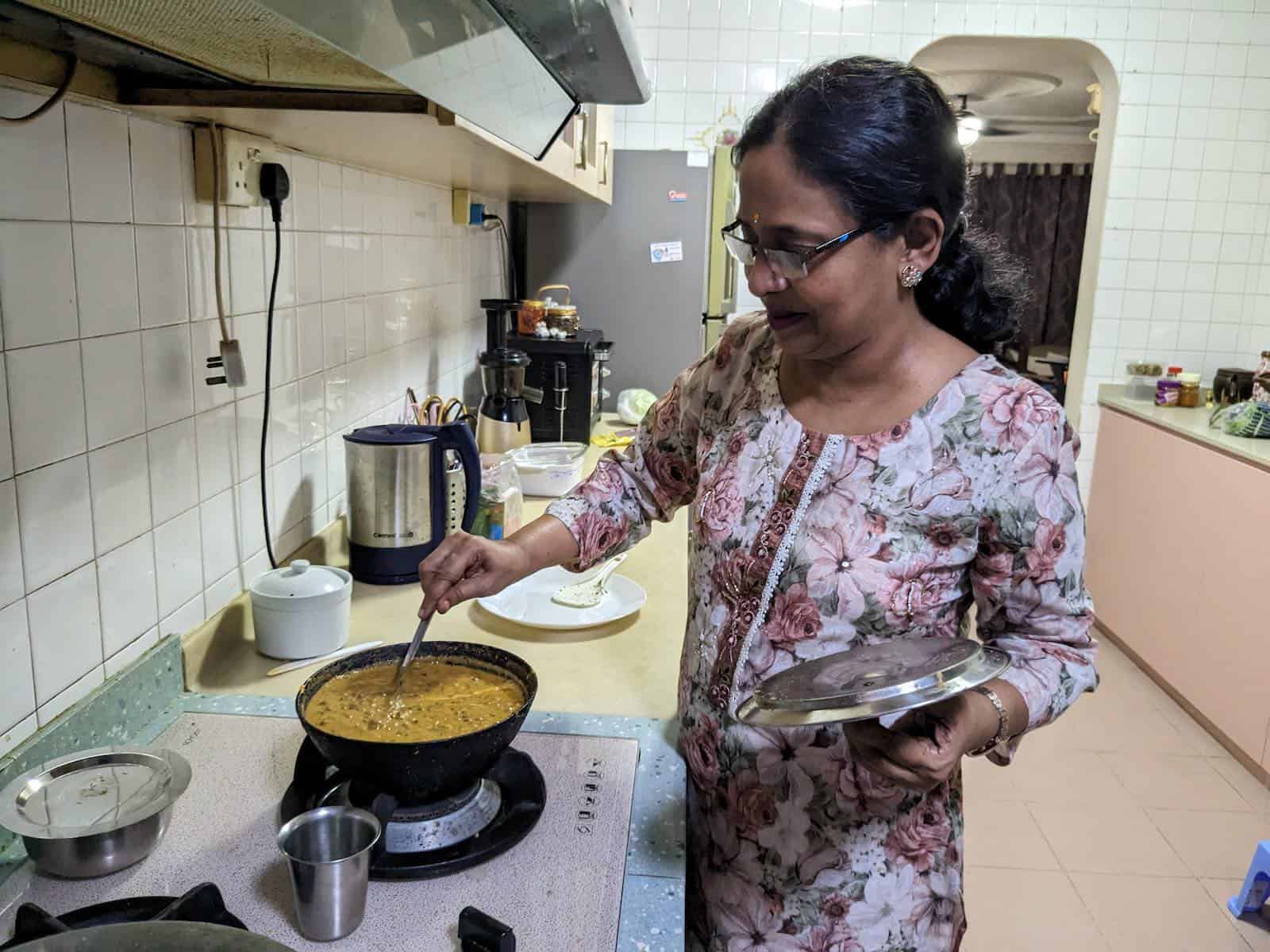
Drawing from her roots in Bengaluru, renowned for its delectable idli and dosa, Radhika’s menu is a heartfelt homage to her late father. You can look forward to a delicious spread featuring pudina rice, crispy vada, a variety of palya (vegetable dishes), and her signature kesari bat—a rich semolina pudding infused with ghee and sugar.
“He is looking for reconciliation with his loved one; she does not wish to be alone when she passes on.” When faced with serious illnesses, patients require not just medical care; they often need psychosocial, emotional and spiritual care as well. Find out how Assisi’s palliative care team comprising Doctor Adrian, Nurse Elena, Medical Social Worker Calista, Day Care Manager Sheena and Music Therapist Trudy provide care and comfort for patients and their families at this challenging period of their lives.
In Taoist and Buddhist customs, joss paper is burned to provide for deceased loved ones in the afterlife. Don’t miss this chance to join our Joss Paper House Builder Ho Kwang Han as he shows you how his elaborate creations – multi-storey mansions and luxurious cars – are carefully burnt and “delivered” to their dear recipients!
© 2024 My Community